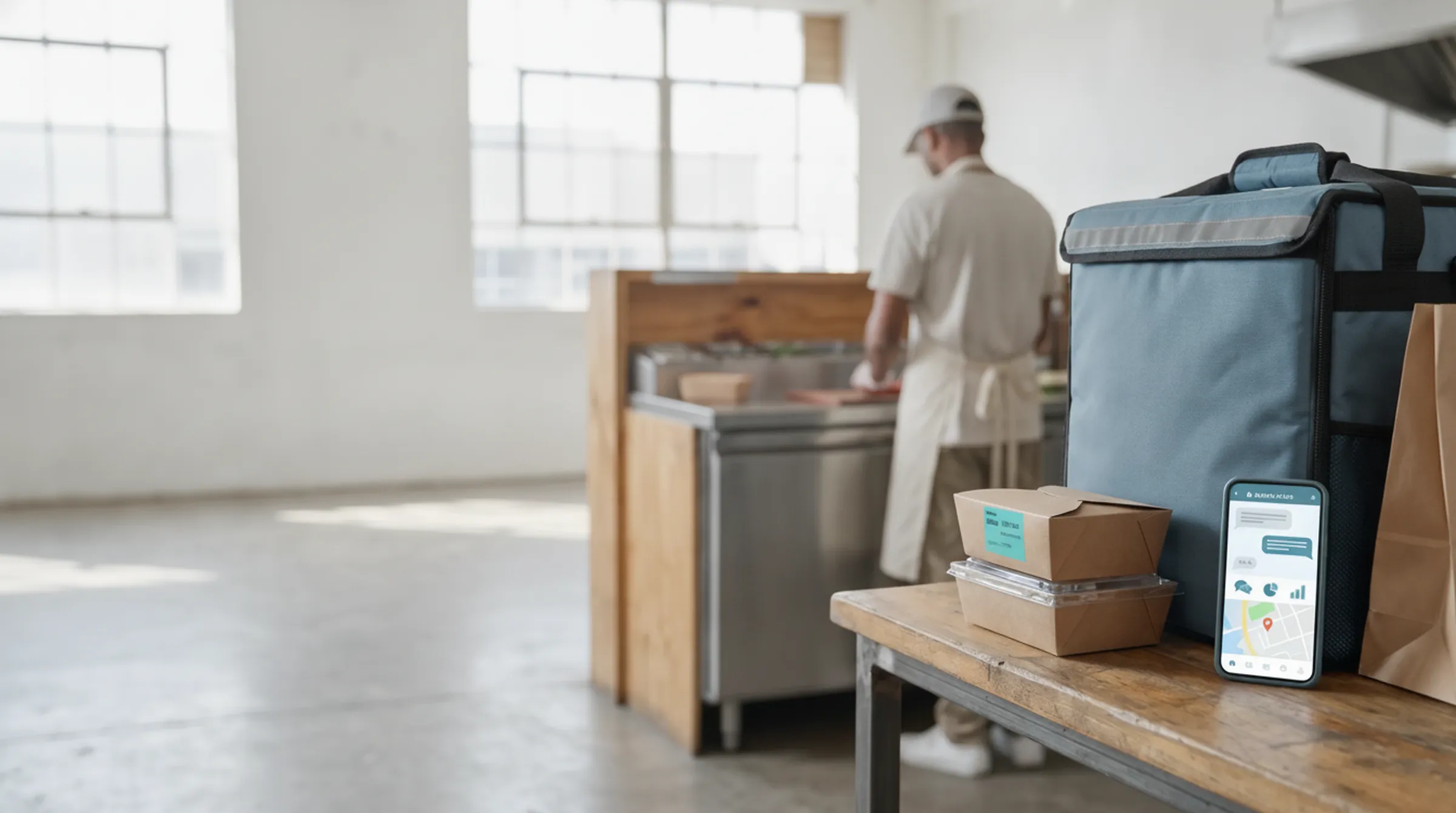
Delivery is a business of frequent, spontaneous purchases. A person decides what to order in a few minutes, usually on a phone and when hungry. That is why speed and ease of ordering matter more for marketing a delivery business than long copy: a clear menu, appetizing photos, a visible delivery time and payment in one step.
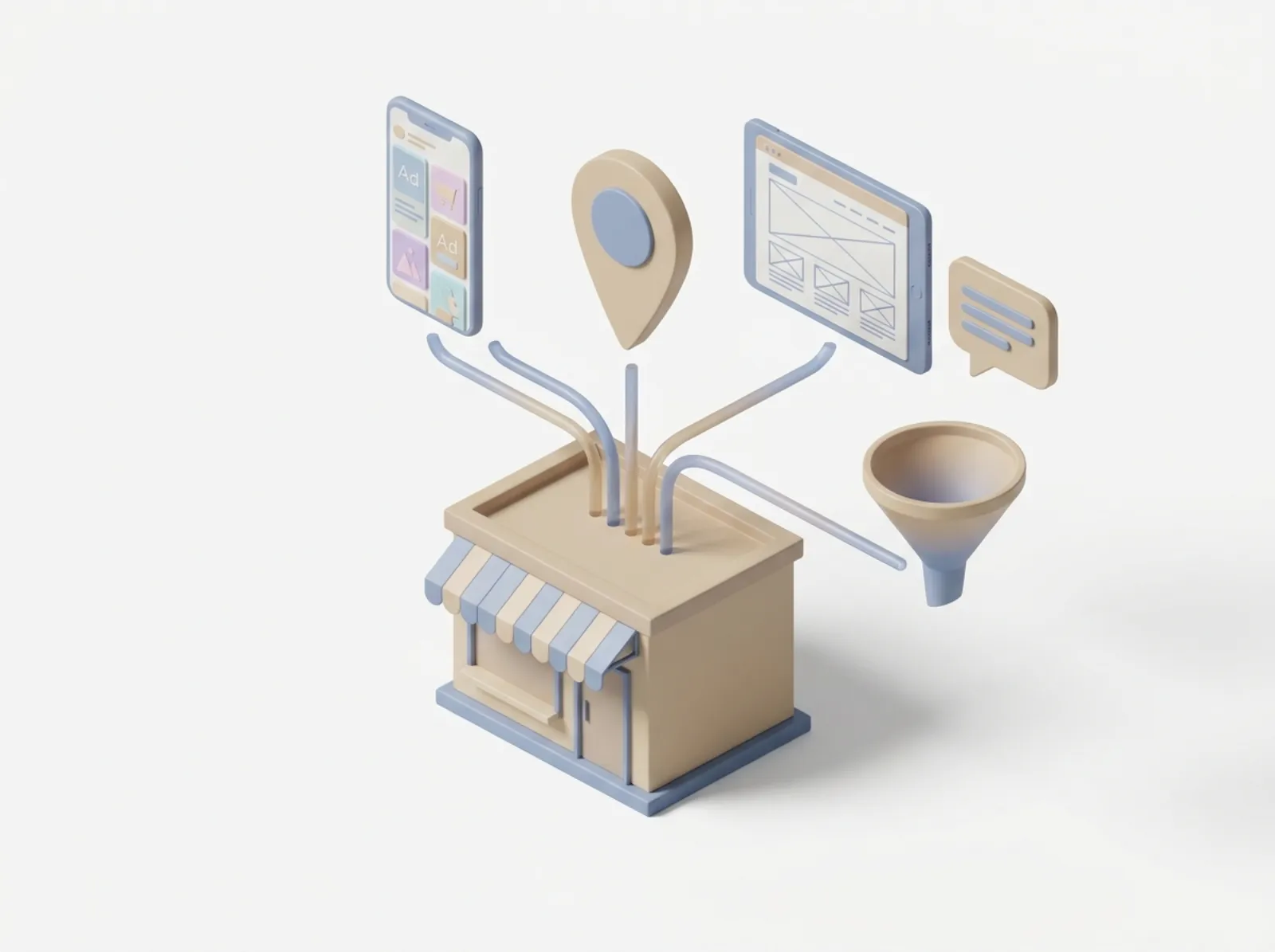
The second feature is geography. Delivery is limited to a zone, and ads outside it are wasted. We set up campaigns by delivery-zone polygons, and for a chain, separately for each kitchen. If the zone expands, marketing expands with it.
The third is the economics of repeat orders. In food delivery the first order is often a loss because of discounts and acquisition costs. Profit shows up on the second, third and tenth order. That is why the main metric is not the cost of the first order but what a customer brings over several months and through which channel they reorder.
The fourth is dependence on delivery apps. They supply volume but take a commission and the customer data. The job of marketing is to use the apps as a storefront for new customers and gently move regulars to your own channel. Text and email campaigns need clear opt-in consent, and allergen and ingredient information must be accurate wherever the menu appears. If you run a dine-in restaurant and delivery is a side line, see marketing for restaurants.